


The Physiology of Problem-Solving: How Physical Activity Primes the Brain for Complex STEM Tasks
Introduction: Movement as a Cognitive Accelerator In STEM education and engineering practice, problem-solving is often...

Philosophical Worldviews in Education & Teacher–Student Relationships
1. Postpositivist Worldview: Structure, Measurement, and Predictability The postpositivist worldview emphasizes objectivity, logic, and cause-and-effect...

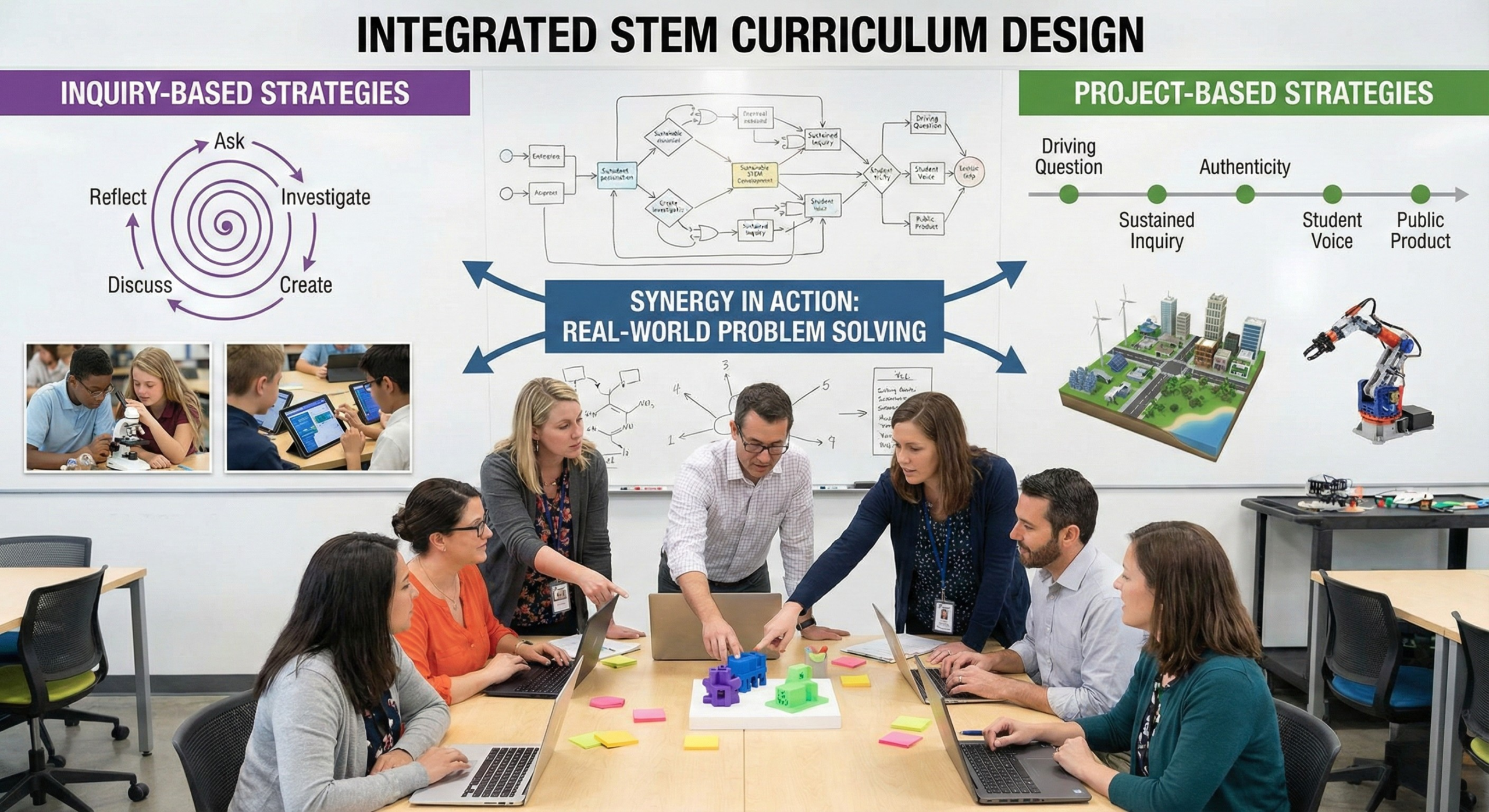
Integrated STEM Curriculum Design: A Synergy of Inquiry and Project-Based Learning
Designing an integrated STEM curriculum goes far beyond teaching Science, Technology, Engineering, and Mathematics in...
Designing STEM Curricula and Instructional Strategies for Impact
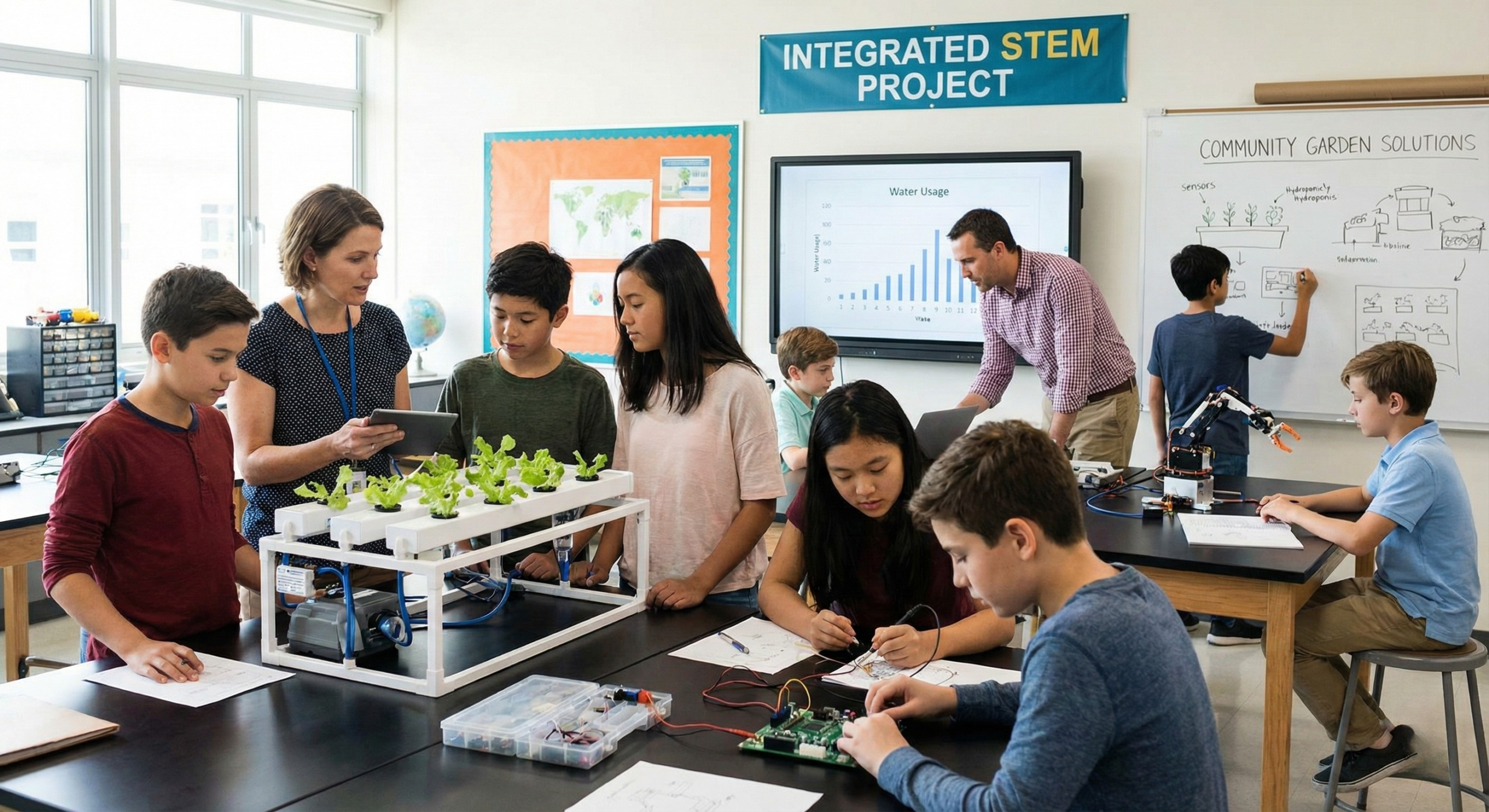
To effectively promote STEM education, curricula and instructional strategies must evolve beyond traditional, discipline-based instruction...
Unlocking Potential: Overcoming Challenges in STEM Education for a Future-Ready World
In today’s rapidly evolving world, Science, Technology, Engineering, and Mathematics (STEM) sit at the heart...

Navigating the Future: 10 Defining Trends Shaping Education in 2026
As we move into 2026, education is entering a period of accelerated change. Technological breakthroughs,...